



By Racheal Nagawa | Senior Reporter, Business Express
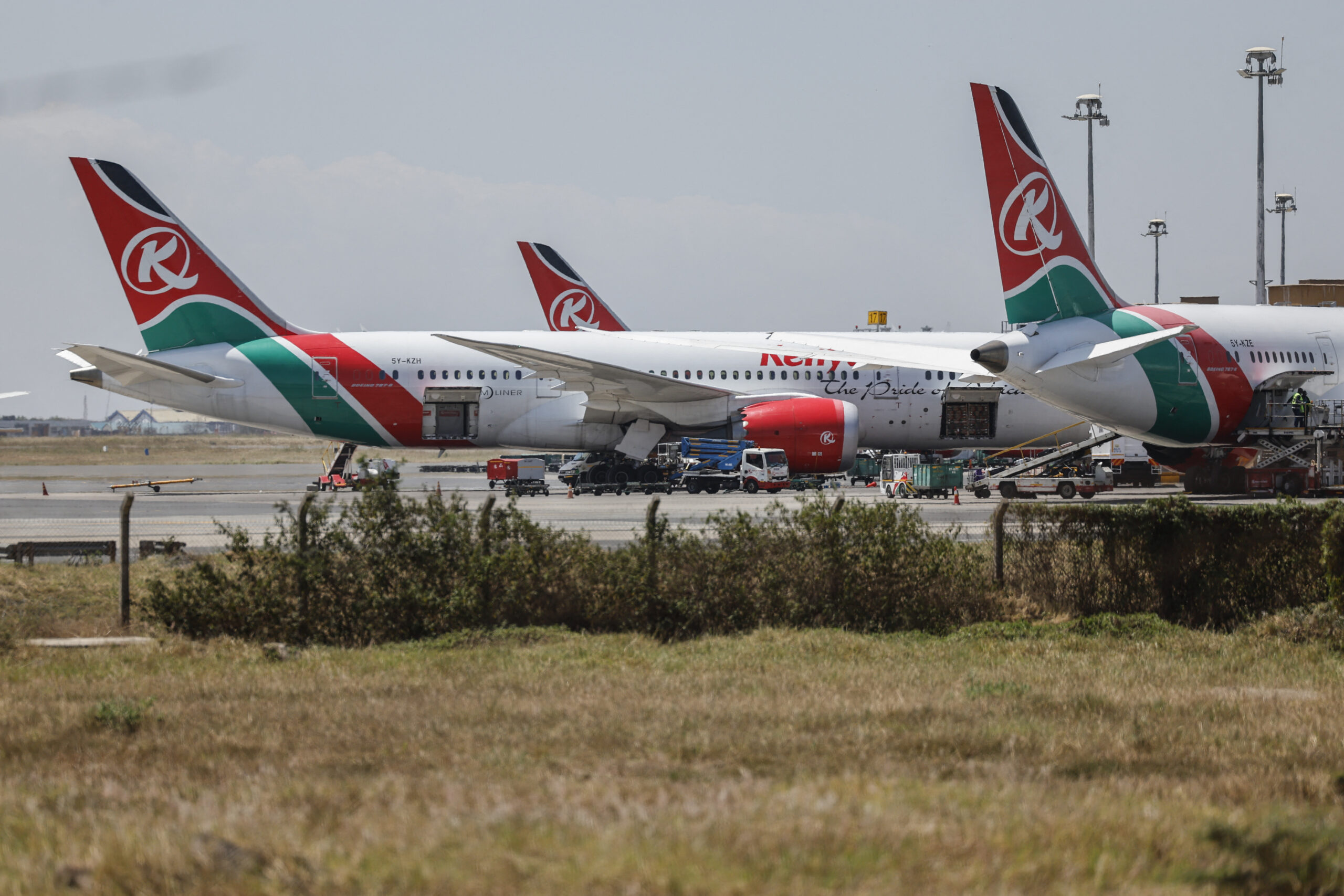
Qatar Airways is exploring an expanded partnership with Kenya Airways (KQ), including the possibility of acquiring an equity stake in the Nairobi-based airline. The move signals Doha’s growing ambition to strengthen its footprint in Africa’s aviation sector, while offering a potential lifeline to Kenya’s financially strained national carrier.
The discussions build on an existing cooperation agreement announced in October last year, when the two airlines began codesharing on flights to 19 destinations. That arrangement enhanced connectivity between Africa, the Middle East, and Asia, enabling passengers to book seamless journeys across both networks.
Strategic Expansion into East Africa
For Qatar Airways, East Africa represents a region of significant growth potential. The Gulf carrier has steadily positioned itself as a global connector between emerging markets and major commercial hubs. Strengthening ties with Kenya Airways would grant Qatar Airways greater access to intra-African routes and regional passenger traffic that is often underserved by long-haul carriers.
Nairobi’s Jomo Kenyatta International Airport serves as one of Africa’s most important aviation gateways, linking East and Central Africa to Europe, Asia, and the Middle East. By leveraging Kenya Airways’ regional network, Qatar Airways could tap deeper into secondary African cities and expand cargo and passenger operations across the continent.
Industry analysts note that Africa remains one of the last high-growth frontiers in global aviation. Rising middle-class populations, increasing business travel, and expanding trade corridors under the African Continental Free Trade Area (AfCFTA) framework are driving demand for stronger air connectivity.
A Lifeline for Kenya Airways?
For Kenya Airways, the potential partnership comes at a critical time. The carrier has faced persistent financial challenges in recent years, grappling with mounting debt, currency pressures, and post-pandemic recovery constraints. Despite restructuring efforts and government support, profitability has remained elusive.
An equity investment from Qatar Airways would not only inject much-needed capital but could also introduce operational efficiencies, technical expertise, and broader international market access. Qatar Airways is widely recognized for its strong balance sheet, modern fleet, and global network reach.
A strategic investor could help stabilize Kenya Airways’ finances while enhancing service standards, fleet optimization, and route development. However, any equity arrangement would require careful negotiation to balance national interests with commercial viability, given the Kenyan government’s significant stake in the airline.
Codeshare as a Foundation
The existing codeshare agreement between the two carriers has already laid the groundwork for deeper collaboration. By aligning schedules and sharing flight codes across 19 destinations, the airlines have increased convenience for passengers traveling between Africa, the Gulf, and Asia.
The arrangement also supports cargo operations—an increasingly important revenue stream as African economies diversify exports in agriculture, minerals, and manufactured goods.
A deeper partnership could potentially expand into joint route planning, fleet harmonization, shared maintenance services, and coordinated marketing strategies.
Competitive Pressures in African Aviation
Qatar Airways’ interest in Kenya Airways reflects broader competition among Gulf carriers for African market share. Airlines from the Middle East have long viewed Africa as strategically vital due to its geographic location and economic potential.
At the same time, African airlines face structural challenges including high operating costs, limited financing access, and fragmented regulatory frameworks. Strategic alliances with well-capitalized global carriers may provide a pathway to sustainability and competitiveness.
However, such partnerships also raise questions about market dominance and the long-term autonomy of African airlines. Policymakers and industry stakeholders will likely weigh the benefits of foreign capital against concerns over control and route prioritization.
Looking Ahead
If finalized, an equity partnership between Qatar Airways and Kenya Airways could reshape the aviation landscape in East Africa. For Doha, it represents a calculated step toward consolidating influence in a growing market. For Nairobi, it may offer renewed stability and a stronger platform for recovery.
As negotiations continue, stakeholders across the region will be watching closely to see whether this collaboration evolves from codeshare cooperation into a transformative strategic alliance.
About the Author
Racheal Nagawa is the Senior Reporter at Business Express Magazine, specializing in aviation, international trade, infrastructure development, and Africa-focused investment trends. She provides in-depth analysis on the economic forces shaping Africa’s engagement with global markets.