



By Racheal Nagawa
In a country where many small businesses close before they celebrate five years, Victoria Basemera’s journey feels both refreshing and instructive. More than a decade after she started baking from her home kitchen, her company, Extreme Little Stars Limited, now supplies fresh snacks to major fuel stations including Total, Shell, Rubis and Oryx across Kampala.
It is a story of patience, early mornings and steady relationship building rather than overnight success.
Victoria did not begin as a baker. She worked in banking, living the structured life of targets, reports and formal employment. But at some point, she felt the urge to step into something of her own. She left her job without a perfectly mapped-out plan.
“I did not have everything figured out,” she says. “I just started.”
That start was simple. She baked cream cakes in her kitchen and personally delivered them to nearby shops. She knocked on doors, introduced herself and accepted small orders. Growth did not come in leaps. It came in small, consistent steps.
Her turning point happened almost by accident. A friend connected her to a fuel station that needed snack supplies. She took the opportunity seriously, delivering on time and maintaining quality. That one outlet gradually opened doors to others. Today, her products range from beef samosas and chicken pies to kebabs and other quick bites that fuel station customers grab on the go.
What stands out about Victoria’s growth is not just the contracts she has won, but how she has built the systems behind them. Her team now includes 15 full-time employees, five of whom handle logistics. Their day begins at 4 a.m. so that shelves are stocked before the morning rush.
Reliability has become her brand. She understands that fuel stations operate on tight margins and cannot afford stale or unsold stock. So she offers flexibility. If products do not sell, she takes them back. That policy reduces fear for her clients and strengthens trust.
“We grow because our clients trust us,” she explains.
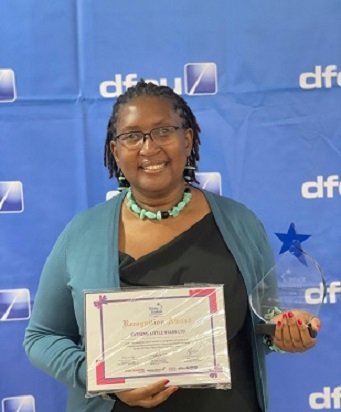
In 2023, her efforts were recognized when she placed sixth in the dfcu Bank Rising Woman Initiative under the Trade and Business Services category. She describes the experience as eye-opening.
“It made me see my business differently,” she says. “I was not just surviving. I was building something.”
The application process itself forced her to look closely at her numbers, her strategy and her long-term vision. The exposure that followed, including a trip to Nairobi, introduced her to other women entrepreneurs building ambitious enterprises. Some of those connections have grown into valuable networks.
Recognition also brought credibility. When bidding for contracts, being associated with a respected initiative helped strengthen her profile.
Yet, despite the progress, Victoria is honest about the challenges ahead. Production is still home-based. To compete for larger contracts and expand capacity, she needs a fully equipped commercial kitchen. That is her next major goal.
She is also candid about the reality of being a woman entrepreneur in Uganda. Business does not cancel out family responsibilities. Many women, she says, start businesses out of necessity, not because they have access to structured training or mentorship.
“Funding is important,” she notes, “but guidance is just as important.”
Her advice to other women is grounded in lived experience. Do not wait until everything is perfect. Start where you are. Learn as you go. Stay consistent even when the results feel slow.
Looking ahead, Victoria plans to diversify her products and expand into corporate and social event catering. She dreams of building a snack brand that is widely recognized for quality and reliability.
For now, though, her focus remains on the basics: waking up early, delivering on time and keeping her word. In a competitive SME environment, those simple disciplines have made all the difference.
About the Author
Racheal Nagawa is a Ugandan business journalist who writes about entrepreneurship, finance and enterprise development. She focuses on telling the human stories behind business growth in East Africa.